

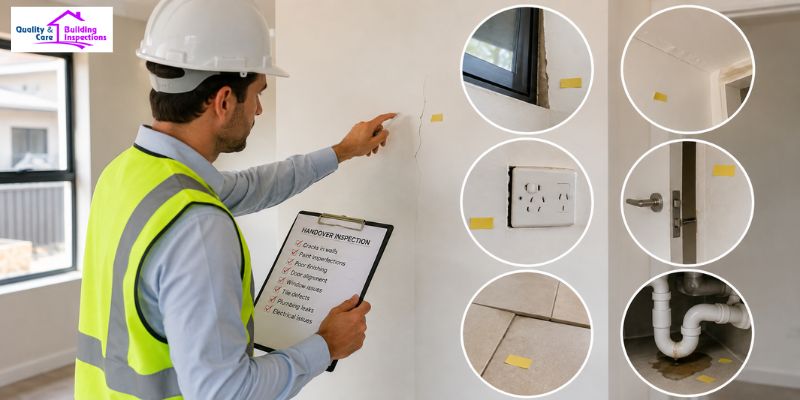
Buying a newly built home is an exciting milestone. After months of planning, watching construction progress, and waiting for completion, most homeowners expect to receive a property that is ready to move into. However, even well-built homes can have hidden defects, incomplete finishes, or workmanship issues that aren’t immediately obvious. That’s why Handover Inspections have become one of the most valuable steps before accepting the keys to your new property.
A professional new home defect inspection Australia helps identify problems before settlement or final payment, giving homeowners the opportunity to have defects corrected by the builder while contractual obligations are still in place. From cosmetic imperfections to structural concerns and safety hazards, an independent inspection provides peace of mind and helps ensure your investment meets expected construction standards.
Drawing on years of experience across residential construction projects, professional inspectors regularly find issues that homeowners would rarely notice during a casual walkthrough. This guide explains the most common new home defects, why they occur, and how a thorough handover inspection helps protect your investment.
Modern homes are often built under tight construction schedules. While reputable builders aim for high-quality workmanship, multiple subcontractors, changing weather conditions, supply delays, and project deadlines can sometimes result in overlooked defects.
A professional handover inspection is the final opportunity to identify problems before ownership is formally transferred.
An experienced inspector evaluates the property independently, ensuring that visible workmanship, functionality, finishes, and safety meet acceptable building practices.
The goal isn’t to criticise builders—it’s to confirm that the completed home aligns with expected quality and contractual expectations.
A new home defect inspection Australia is an independent assessment carried out near the completion of construction but before final handover.
Unlike council approvals, which focus primarily on minimum legal compliance, an independent inspection assesses workmanship, finish quality, and practical performance throughout the property.
Typical inspection areas include:
This independent review helps identify issues that can be corrected before they become long-term maintenance problems.
Cosmetic issues are among the most common findings.
Inspectors frequently identify:
While these may seem minor individually, collectively they affect the overall quality expected from a brand-new home.
Poorly adjusted doors and windows are another frequent issue.
Common findings include:
These problems can affect security, insulation, and long-term performance.
Bathrooms often reveal several workmanship concerns.
Inspectors commonly discover:
Water-related defects are particularly important because they may lead to expensive repairs if left unresolved.
Kitchen defects may include:
Professional inspectors verify both appearance and functionality.
Many homeowners assume that if a house receives occupancy approval, every aspect of construction is perfect.
This isn’t always true.
Occupancy approval confirms that minimum legal requirements have generally been met, but it doesn’t guarantee flawless workmanship.
Professional inspections may identify:
Addressing these early helps prevent larger maintenance problems in the future.
Australian residential construction follows recognised building standards and tolerances.
Inspectors assess whether workmanship falls within acceptable limits rather than expecting perfection.
Examples include:
Understanding acceptable tolerances helps homeowners distinguish genuine defects from normal construction variation.
One important outcome of independent inspections is improved builder accountability.
Most reputable builders appreciate detailed inspection reports because they provide a structured list of outstanding work before project completion.
Instead of relying on memory during a walkthrough, both parties receive documented observations with supporting photographs.
This reduces misunderstandings while creating a clear path for rectification.
Professional communication generally leads to faster defect resolution.
Many builders conduct a Pre-Completion Inspection (PCI) before handover.
However, independent PCI inspection findings often identify additional concerns that busy homeowners may overlook.
Examples include:
Independent inspections provide an objective second opinion, helping homeowners make informed decisions before accepting handover.
Even the most organised builders can miss details.
Common handover checklist issues include:
A systematic inspection ensures nothing important is overlooked during the excitement of receiving the keys.
Every inspection should produce a practical list of snag list items.
Rather than simply noting “paint issue,” experienced inspectors provide detailed observations such as:
Clear reporting helps builders understand exactly what requires attention.
Preparing in advance makes the inspection more effective.
Consider these practical steps:
A careful walkthrough allows you to better understand your home’s condition before final acceptance.
Every construction project involves hundreds of individual tasks completed by different trades. Minor defects are common, regardless of builder reputation.
Builders usually address reported defects, but they first need to know they exist. A documented inspection helps ensure nothing is missed.
Small cosmetic defects, poor sealing, drainage issues, or incorrectly installed fixtures can become expensive if ignored.
While homeowners often notice obvious defects, trained inspectors understand where problems commonly occur and what construction tolerances should apply.
Professionals recommend treating handover as a quality assurance process rather than a simple key collection.
Some valuable advice includes:
This organised approach protects both the homeowner and the builder.
Moving into a new home should be exciting, not stressful. A professional new home defect inspection Australia provides an independent assessment of workmanship, helping identify issues before they become costly repairs. By understanding common defects, reviewing PCI inspection findings, addressing handover checklist issues, and using detailed Handover Inspections as part of the final quality check, homeowners can move in with greater confidence.
For those wanting additional peace of mind, experienced professionals like Quality & Care Building Inspections provide objective assessments that support informed decisions, encourage builder accountability, and help ensure your new home reflects the quality you expect from a newly completed property.
A handover inspection is usually carried out after construction is complete but before final settlement or taking possession of the property. This timing gives the builder an opportunity to rectify identified defects before ownership is officially transferred.
Inspectors frequently identify cosmetic defects such as paint imperfections and damaged trim, along with operational issues involving doors, windows, cabinetry, tiling, waterproofing, plumbing fixtures, and external finishes. Even new homes often contain minor defects that benefit from early correction.
Yes. Council inspections primarily confirm compliance with relevant regulations and building approvals. Independent handover inspections focus on workmanship quality, finishes, functionality, and defects that may not form part of regulatory inspections.
A comprehensive snag list provides clear documentation of every identified issue, supported by descriptions and photographs where necessary. This helps builders understand exactly what requires rectification and reduces misunderstandings during the handover process.
Absolutely. Even experienced builders can unintentionally overlook minor issues due to the complexity of residential construction. An independent inspection provides an objective review, helping homeowners protect their investment, improve communication with the builder, and ensure defects are addressed before moving in.

Buying a new home may be the biggest investment you will ever make. Although the process is very exciting it can become quite overwhelming. While the home you have fallen in love with may appear to be just what you’re looking for, how can you be sure there aren’t potentially serious issues which can make your investment in your future a costly one?


