

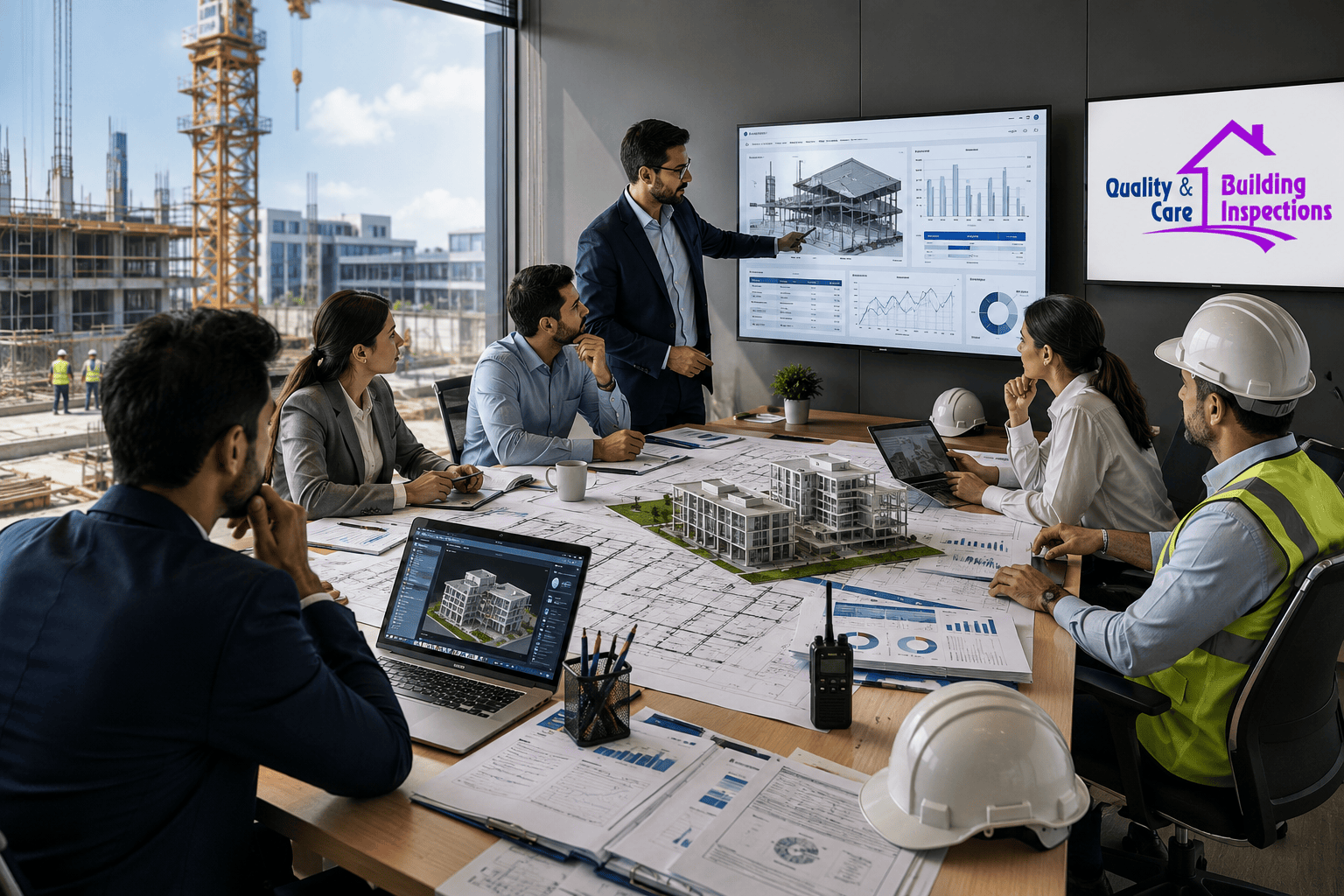
Building a home is one of the largest financial commitments most Australians will ever make. Yet many homeowners underestimate the complexity involved in coordinating contractors, managing timelines, maintaining quality standards, and navigating regulatory requirements. A residential construction project can involve dozens of trades, multiple suppliers, council approvals, inspections, and countless moving parts. Construction project oversight service should be utilized according to your choices.
This is where building project management in Australia services play a critical role. A skilled project manager acts as the central point of coordination, ensuring every stage of construction progresses efficiently while protecting the homeowner’s budget, timeline, and quality expectations. The construction timeline should also be paid attention to.
As residential construction projects become more sophisticated, demand for professional construction project management in Australia services continues to grow. Whether managing a custom home build, duplex development, renovation, or knockdown-rebuild project, building project managers provide expertise that often prevents costly mistakes and delays.
Many people believe that, after the contractor is selected, the entire process of the construction will be smooth sailing. However, there are many factors involved in the construction of residential homes, which may be challenging, such as:
According to the reports from the construction industry in Australia, delays are one of the major issues associated with residential projects. Not only do delays cost money, but they also cause much stress for homeowners who are awaiting the completion of their new house.
Professional construction project management companies reduce these risks through monitoring, coordination, and accountability during the construction process.
The building project manager is responsible for managing all aspects of the residential construction project from beginning to end.
Apart from planning the construction schedule, the building project manager is also responsible for:
Before excavating machines show up at the construction site, a good residential project is well underway. One of the most vital tasks in building project management in Australia is extensive pre-construction planning.
Some elements of it may include:
Well-defined scope avoids misunderstandings in the process of project delivery. If a client intends to add solar energy, an EV charger, and an entertaining area in the future, it has to be considered while planning.
Careful budgeting allows detecting any potential cost pressure that will have to be dealt with in advance.
The project manager considers the following factors:
Otherwise, unexpected expenses may ruin the whole project.
Development of the realistic schedule is one of the most crucial steps.
The project manager analyzes:
A residential construction project should be well into the planning stage before the excavating contractor arrives on-site. One of the most important tasks for project managers of a construction project in Australia is to complete extensive pre-construction planning.
Some of the elements involved in pre-construction planning may include:
Defining the project scope is critical to ensuring that there are no misunderstandings as to how the project will be delivered.
If the client plans to install solar energy, electric vehicle chargers, and an entertainment area in future phases of the project, that needs to be established in advance during the pre-construction planning stage.
Effective budget development enables you to identify any potential cost pressures that may need to be managed prior to the commencement of construction.
Project managers will factor in the following:
If these four factors are not estimated adequately prior to the commencement of construction, there is a high likelihood that you will experience unanticipated expenses that could jeopardise the entire project’s success.
Developing a realistic construction schedule is one of the most critical steps in completing pre-construction planning.
The project manager will evaluate the following:
The aspect which is often disregarded in the process of constructing residential property is construction quality assurance. While people pay close attention to the financial aspect of constructing their home, bad construction practices might lead to problems which will be more expensive to solve in the future.
It might not cost too much to fix a little waterproofing problem while constructing a bathroom.
However, leaving this problem untreated may lead to:
Quality assurance procedures make sure that the construction is done according to the necessary requirements and regulations.
While visiting the site of construction, a project manager sees that flashing was installed improperly around roof openings. The mistake is corrected at once before the roof is finished.
There are always risks in construction. Another distinguishing feature of efficient project management is proper risk management.
The typical risks of residential projects include:
The project manager recognizes these risks early on and manages to mitigate them.
The latest years have shown how much global material supply can influence construction projects. A good project manager can manage risks in advance by finding other sources of materials or placing orders on time.
Construction of buildings is subject to a number of rules and norms. Knowledge of building project management in Australia requirements is an integral part of successful project implementation.
It may include the following:
Failure to meet them will lead to delays, penalties, and costly repair works. Project managers help to ensure that all procedures are performed in a timely and proper manner.
Bad communication continues to be one of the major causes of disputes within the construction industry. Residential site supervision should be done by professionals.
Project managers act as a link between:
The homeowner asks for changes in the kitchen cabinets design after framing work. Without proper communication, several subcontractors will proceed with their work using the old design. The project manager helps to distribute the changed information. Building project management in Australia online is now more popular.
The role of a building project manager extends far beyond scheduling trades and monitoring budgets. Through professional construction project oversight service, effective contractor management, proactive quality assurance, comprehensive risk management, and ongoing residential site supervision, project managers help transform complex construction projects into successful outcomes.
Whether overseeing a custom home, renovation, or multi-unit development, professional Building Project Management Australia services provide the expertise needed to manage timelines, maintain quality standards, and navigate regulatory requirements. In an industry where delays, defects, and cost overruns can have significant consequences, the guidance of an experienced project manager often becomes one of the most valuable investments a homeowner can make. Quality and Care Building Inspections can offer you a trustworthy project management.
FAQs
1. What does a building project manager do in residential construction?
A building project manager oversees planning, budgeting, contractor coordination, quality assurance, risk management, and project delivery to ensure residential construction projects stay on schedule and within budget.
2. Why is contractor management important during a home build?
Contractor management ensures all trades are properly coordinated, work is completed on time, and construction activities progress efficiently without unnecessary delays.
3. What is residential site supervision?
Residential site supervision involves regular inspections and monitoring of construction activities to ensure workmanship meets design specifications, building codes, and quality standards.
4. How does quality assurance improve construction outcomes?
Quality assurance identifies issues early, reduces defects, prevents costly rework, and ensures the finished home meets expected standards of safety and performance.
5. What risks do project managers help manage?
Project managers address risks such as weather delays, budget overruns, labour shortages, material supply issues, safety concerns, and compliance challenges.

Buying a new home may be the biggest investment you will ever make. Although the process is very exciting it can become quite overwhelming. While the home you have fallen in love with may appear to be just what you’re looking for, how can you be sure there aren’t potentially serious issues which can make your investment in your future a costly one?


