

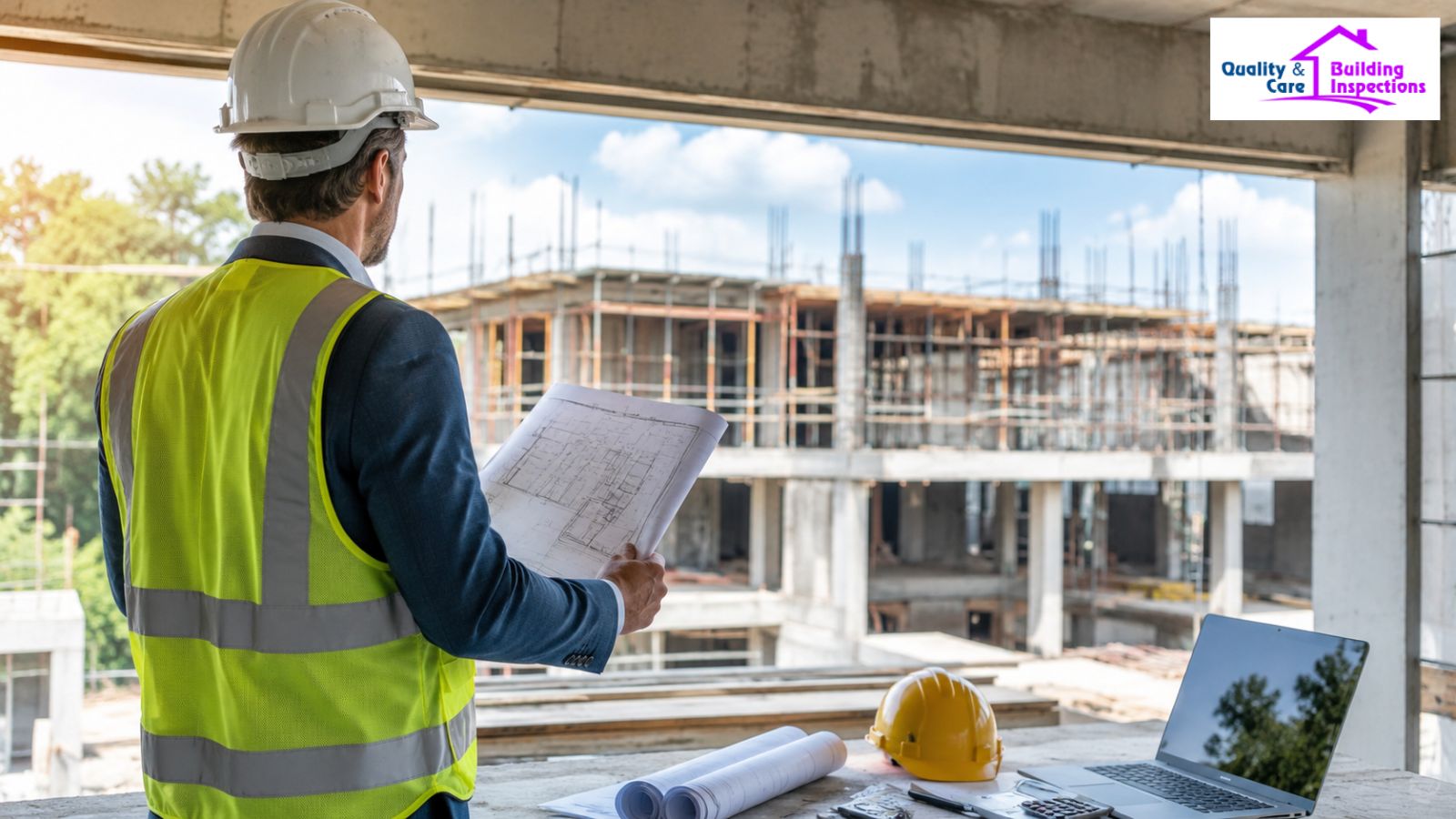
Think about thousands of dollars going into a construction project. Designs look good, budgets are approved, and builders are hired and ready to go. But problems still arise. That’s why many homeowners now book residential project management services. Australia’s construction market is seeing $83.4 billion worth of building work across the March quarter of 2026. According to the Australian Bureau of Statistics, there has never been a more important time to take advantage of independent oversight. This service ensures-
That’s why we put together this guide. This is to explain what independent oversight is, and how construction project supervision in Australia can help you get the most out of your project.
Independent project oversight means the engagement of a third-party professional or service to oversee a construction project on behalf of the client, and not the builder.
An independent overseer, as opposed to the builder or site supervisor, provides services such as
The key difference is independence. This means decisions and reporting are not influenced by construction delivery pressures or contractor priorities.
There are many parties in construction projects, including the contractor, subcontractor, engineer, supplier, and inspector. The responsibilities of each of these parties vary. This depends on their time frame and business interest. In the absence of an independent auditor, the client is dependent on the information provided by the builder.
Independent oversight helps to address this challenge by providing.
This is especially important in complex residential builds, renovations, and extensions where multiple trades overlap.
This is to say construction project management is not just about building. It is a financial asset. Independent oversight protects that asset in several key ways.
One of the most common risks in construction is uncontrolled cost escalation.
Independent oversight helps by:
For example, a small design change may appear minor but can trigger structural, electrical, and finishing adjustments. Without oversight, these costs can accumulate quickly. Site quality inspection can come with various benefits.
Rework is one of the largest types of hidden costs in a construction project. Independent supervision involves the obligation to ensure quality control, which contributes to the verification of compliance with requirements at all stages of construction.
Therefore, it allows detecting and eliminating the following problems:
Construction project supervision in Australia can help reduce these errors.
When multiple contractors are involved, accountability can become unclear.
Independent oversight ensures:
This reduces disputes and improves overall project discipline.
Construction delays usually affect several trades. For instance, delays in plumbing rough-in work may cause delays in electrical, plastering, and finishing works.
Independent supervision ensures construction remains on schedule by:
It is important to understand the difference between builder supervision and independent oversight.
| Builder Supervision | Independent Oversight |
| Focuses on delivery | Focuses on protection |
| Manages subcontractors | Reviews all parties objectively |
| Works to contract scope | Ensures client interests are met |
| Internal reporting | External independent reporting |
Both roles are important, but they serve different purposes. Independent oversight acts as a safeguard layer for the client, especially in terms of cost protection.
A key part of independent oversight is site quality inspection. Inspections take place at critical stages of construction, such as:
These inspections ensure that work completes correctly.
Once construction moves forward, hidden defects become expensive to fix. For example:
Independent inspections reduce this risk by catching issues early.
Building projects rely on many different trades working at the same time. Without proper planning, delays and arguments happen often. Independent oversight keeps work moving by:
This careful planning cuts out wasted time and stops costly rework.
Clear financial reporting is one of the biggest benefits of independent oversight. You get straightforward updates on:
This ensures you make money decisions based on facts, not guesses. In a market with high building costs and shifting material prices, this clear view is essential.
Independent oversight also keeps your job site safer. Builders hold the main legal duty for site safety. However, an independent inspector adds an extra set of eyes to spot: :
This adds an additional layer of risk awareness throughout the project.
Projects without independent oversight often experience:
Issues are only found at handover, making them more expensive to fix.
Changes are approved without full cost or timeline understanding.
Important decisions are not documented clearly.
Delays accumulate without early intervention.
Clients lose visibility over actual project costs.
A structured oversight process typically includes:
Understanding plans, scope, and contract requirements.
Identifying key construction stages for review.
Monitoring progress and quality at defined intervals.
Providing clear updates on progress, risks, and issues.
Assessing changes before approval.
Ensuring all outstanding issues are documented and resolved.
Australia’s building industry is growing fast. Official stats show over $44 billion spent on construction in early 2026 alone. At the same time, builders face worker shortages and rising material prices. These challenges often push projects over budget and past their deadlines.
At the same time, labour shortages and rising material costs continue to affect project delivery timelines and budgets. Residential project management service offers you better cost control.
In a complex market, independent oversight gives you:
Building or renovating needs a huge financial investment. Even smooth projects face unexpected problems. An expert acts as a safeguard. They keep an unbiased eye on your budget, schedule, and build quality. They provide construction project supervision in Australia, which saves your time and ensures quality work.
Independent oversight does not slow down your project. Instead, it protects your hard-earned money. If you are building a new home or starting a major renovation, bringing in an independent advisor is a smart choice. For site quality inspection or other services, get in touch with Quality and Care Building Inspections.
It is an outside service that watches over a building project for you. The team tracks progress, checks work quality, and keeps costs in check. They do not do the actual building work. This helps them stay completely fair and objective.
It catches mistakes early before they get expensive. It also keeps your builders honest and makes sure your project finishes on time and within budget.
No. A builder manages the daily construction work. Independent oversight works for you, giving an unbiased review of the project’s progress.
It is best to start before building begins. Hiring them during the planning and contract stage helps set clear goals, manage risks, and map out inspection steps early.
Although not always strictly essential, independent oversight can provide significant value for renovations or extensions that involve structural modifications, multiple trades, or substantial financial investment.

Buying a new home may be the biggest investment you will ever make. Although the process is very exciting it can become quite overwhelming. While the home you have fallen in love with may appear to be just what you’re looking for, how can you be sure there aren’t potentially serious issues which can make your investment in your future a costly one?


