

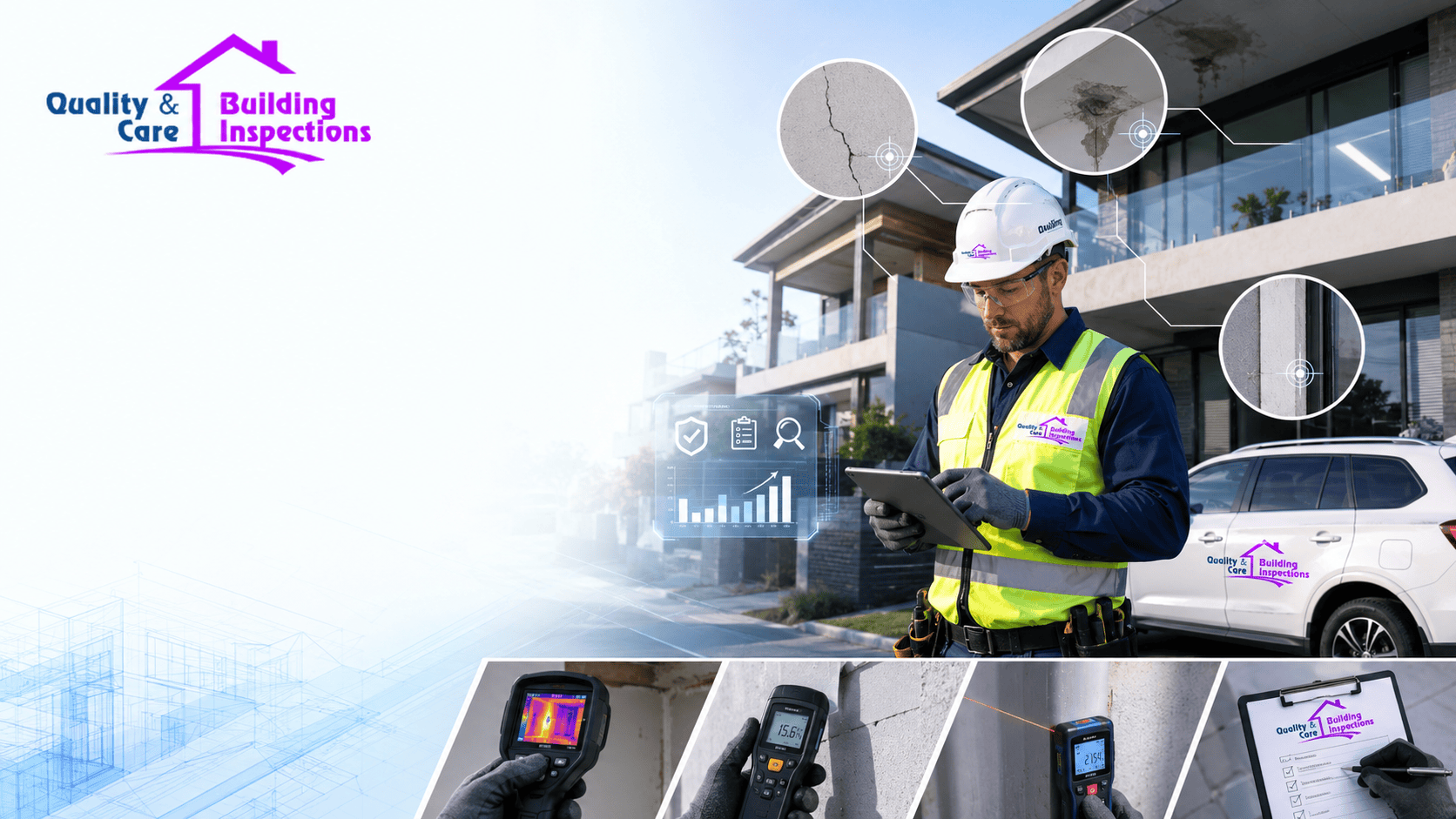
The purchase of a home or business property is probably the biggest financial transaction many Australians will ever make in their lifetime. Even though the property might look like it has no flaws during its open day, there could be some underlying problems that need to be identified only by a professional. That is why getting a building defects report in Australia is one of the most important things to do in this situation.
Proper structural inspection findings go much further than just spotting some flaws in appearance. It assesses the condition of the property structure, identifies potential safety problems, finds areas of non-compliance, and calculates repair risks that might have a significant impact on property value. In case you are looking for ways to negotiate, a proper inspection report can become a great help for you. And for existing property owners, it gives a chance to fix all possible problems on time.
In any case, whether you are purchasing an existing property or constructing something new, and no matter what type of property it is, it is always helpful to understand the signs from the inspection report.
An independent property inspection service in Australia evaluates the state of the building before its change of ownership and completion of its construction. In contrast to concentrating on visible defects, building inspectors assess those areas of the property which are usually ignored by buyers: roof spaces, subfloors, foundations, drainage, moisture presence, structural frame, compliance with safety norms.
A building inspection can help reveal such factors as:
This will enable buyers to make informed decisions regarding the condition of the property in question rather than its appearance.
A building defects report in Australia includes all observed issues concerning the safety, performance and maintenance of the property in question. Defects are usually classified according to their severity, which allows buyers to prioritize potential repairs.
The majority of the reports include:
Another one of the main concerns that arises in property inspection Australia is the issue of structural building defects. The problems in the structure impact the stability of the building and may require specialist engineering expertise.
Some of the structural inspection findings are:
While small settlement cracks can be found in many houses in Australia, larger cracks or those which keep expanding may signal that there is foundation movement or structural defects.
The buyers of a brick house in the western suburbs of Sydney found out about only minor cosmetic cracking during the inspection. However, according to the building inspector’s report, there were stepped cracks occurring through the external brickwork indicating the movement of the foundation due to the presence of reactive clay soils. Further investigation resulted in footing movement requiring repair of over AUD 40,000.
Roofing issues tend to go unnoticed since they are hard for the buyers to inspect due to their nature.
Professional building inspection includes:
Some of the common roof issues include:
Even small roofing problems may let water get inside the ceiling area, causing damage to insulation, plasterboard, electrical wires, and wooden frames. Routine roof maintenance is usually cheaper than fixing water damage.
Some inspection problems can pose an imminent danger and need to be addressed urgently. Some of these hazards may include:
They could increase the chances of someone getting injured and may also create potential legal liabilities for property owners.
During a pre-purchase inspection of a property on the coast, there was significant corrosion detected in the steel beams below an elevated timber balcony. Although the deck was structurally sound from above, there was a risk of its collapse. Urgent repair works were recommended.
It is important to note that not all defects are physical. Sometimes the costliest problems with a property are related to non-compliance. Any previous renovations carried out by the owner of the property may not have had the proper permits or might not meet the current building codes.
Some of the common examples include:
Homebuyers get worried when reading technical jargon within the inspection reports. Nevertheless, not all deficiencies are indicative of a serious structural issue. A good inspector normally categorizes findings depending on their significance and importance.
These typically relate to general wear and tear and maintenance issues, such as:
These problems have to be sorted out; however, they usually have no impact on the structure of the house/building.
Deficiencies which need to be fixed; nevertheless, they do not necessarily have any significant safety implications.
These include:
Timely repair of these issues can save additional expenses down the road.
Issues which have to be investigated immediately; normally, specialists/contractors are involved in that process.
These include:
In case major structural deficiencies are revealed by an inspection, an engineer’s opinion is highly recommended to obtain before buying.
Getting your building inspection report does not mean everything is over; rather, it means that everything is just about to start. Property condition risks can be addressed if you have the inspection report. If there are major problems found:
Professional building inspectors know how to separate cosmetic issues from those requiring maintenance and from structural ones.
Whenever reports suggest more investigations, use the services of specialists like structural engineers, electricians, plumbers, and waterproofing experts.
Having several quotations will help you understand what to expect regarding repair costs and give you the upper hand when negotiating with the seller.
Findings of inspections often provide buyers with chances to ask for repairs or reduce purchase prices.
In cases where no major defects have been detected, make plans for maintenance in order to keep the property well-conditioned and minimize repair costs in the future.
Of course, builders, developers, and sellers will try to represent the property in the best possible way. However, an independent inspection will give an objective evaluation based only on the present state of the property. An independent view will give you more assurance while making the most expensive decision in life.
Whatever you purchase—either an established house or a building defects report for new homes Australia—you will know about all potential risks that could remain unknown until the point when you have to make repairs.
A professional building defects report in Australia can be seen not just as a list of the problems that can be detected but as an effective risk management tool that will allow you to make an informed choice. Thanks to understanding structural inspection findings, knowing about the property condition risks, finding out about safety risks, understanding compliance risks, and assessing repair cost risks, you will be able to avoid any unexpected costs.
Be it an old house purchase or a building defects report for new homes in Australia, getting a professional property inspection in Australia will give you extra insurance. Quality and Care Building Inspections can be called if you want a building inspection at affordable rates.
FAQS
The building defects report usually includes a structural component, roof, foundation, walls, floors, moisture problems, safety hazards, observable plumbing and electrical systems, drainage, non-compliance, and recommended further specialists to conduct inspections if needed.
2. Is a building inspection report worth its cost?
Yes. A building inspection report allows you to discover any hidden problems before buying the property, and thus avoid spending more money on repairs or renegotiating the price.
3. What are the most serious findings that can be made in a structural inspection?
Serious structural defects are major movements of foundations, roof sagging, major cracks in walls, damage to the structural timbers, failing retaining walls, and serious water damage.
4. Do I need a building defects report if I buy a new home?
Yes. New homes can also contain many workmanship defects, waterproofing issues, unfinished building works, or non-compliant building.
5. Can I negotiate the price after the inspection?
Yes. Usually, the findings from the inspection help to make some negotiations about repair or compensation for the cost of the repairs.

Buying a new home may be the biggest investment you will ever make. Although the process is very exciting it can become quite overwhelming. While the home you have fallen in love with may appear to be just what you’re looking for, how can you be sure there aren’t potentially serious issues which can make your investment in your future a costly one?


